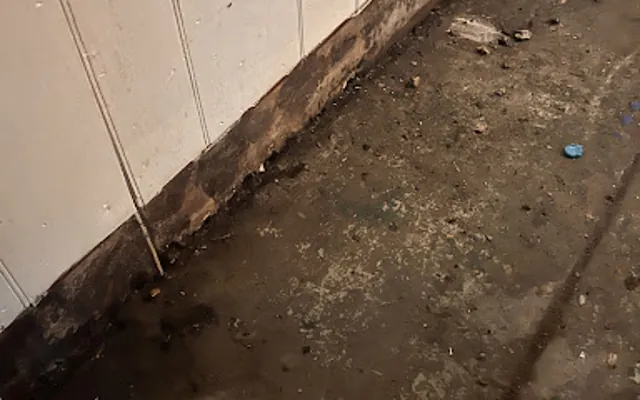
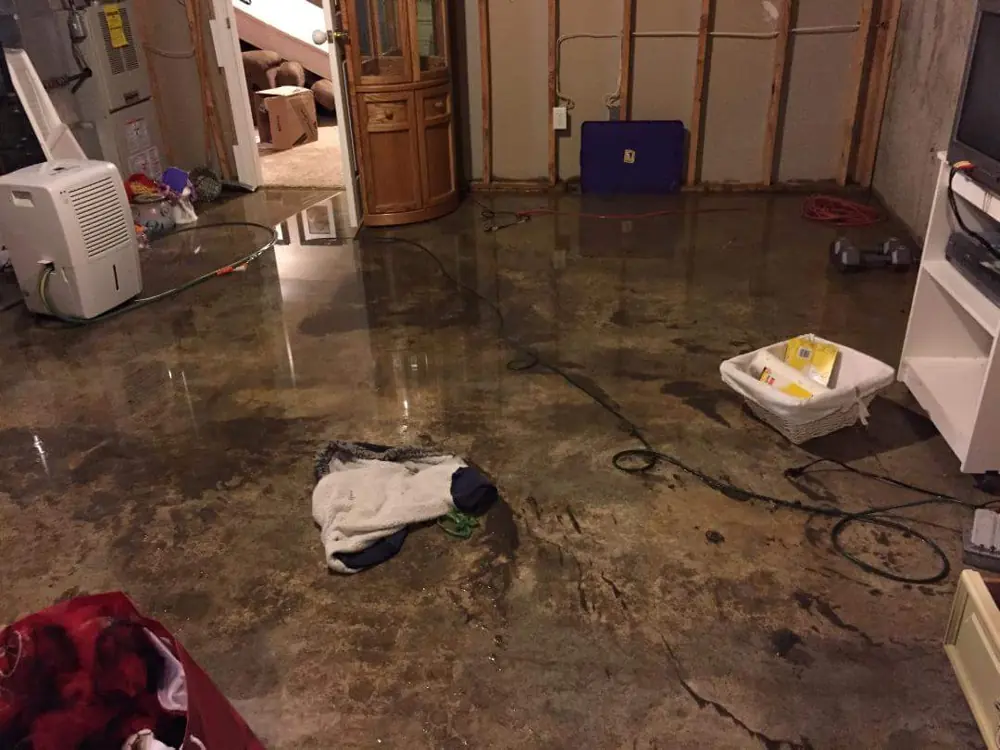
An overflowing toilet floods a bathroom fast, and depending on the water it can be a contamination job. Crews across Cary extract, sanitize where needed, and dry the structure, on site in about an hour.

Crews confirm the overflow is stopped and classify the water, clean or contaminated, then map how far it spread with moisture meters.
The water is extracted, and when it is contaminated the area is contained and handled with the gear required for Category 3 losses.
Contaminated porous materials are removed as needed, and hard surfaces are cleaned and treated with antimicrobial products.
Air movers and a dehumidifier dry the floor, wall base, and any ceiling below to an IICRC-standard target, with the work documented for a claim.

While help is on the way, these first steps, done only where it is safe, limit the damage and protect the insurance claim.
Shut the supply off at the source, or close the home's main valve if the source is not obvious. Stopping the flow limits the damage more than anything else.
Switch off electricity to the affected area, but only if the breaker can be reached without standing in or touching the water.
Get a crew dispatched right away. The sooner extraction and drying begin, the more flooring, drywall, and belongings can be saved.
Take photos and a short video of the water and the affected rooms before anything is moved, so the insurance claim starts strong.
Toilet overflow cleanup in Cary typically runs from about $600 to $3,500, depending on whether the water is clean or contaminated, how far it spread, and how much material has to be removed and dried. A small, clean overflow sits low, while a contaminated Category 3 backup that reached the subfloor or ceiling below sits higher. Sudden overflows are commonly covered, though a backup may need a sewer or drain endorsement.
Crews reach Cary and Wake County fast, from Downtown Cary, Method, and West Raleigh to nearby Apex, Morrisville, Holly Springs, Garner, and Fuquay-Varina. See the full list on the areas served across Cary page.
See all areas servedEvery loss is photographed, measured, and logged from the first visit, so the paperwork holds up with your insurance carrier.
Technicians follow recognized IICRC drying standards and prove the work with daily moisture readings, not guesswork.
Emergency dispatch any hour of the day or night, with a real crew on the way, not a callback in the morning.
A real crew dispatched any hour, not a callback in the morning.
Trained technicians following recognized IICRC drying standards.
Truck-mounted, portable, and submersible for any size loss.
The loss is documented and billed to the carrier directly.
No. An overflow of clean supply-side water is Category 1 and lower risk, while an overflow that carries waste or comes from a drain backup is Category 3 black water and a health hazard. Crews classify the water first, because it determines how the cleanup is handled.
Porous materials that soaked Category 3 water, such as affected drywall, baseboards, and some flooring, generally cannot be fully sanitized and are removed. Hard surfaces like tile and sealed floors are cleaned, disinfected, and dried so they can stay.
In two-story homes, yes. An overflow that is not caught quickly seeps through the floor around the toilet flange and can stain and soak the ceiling below. Crews check the level beneath and dry it too when the water traveled that far.
A sudden clean overflow is generally covered as accidental water damage, while a contaminated backup may require a sewer or drain backup endorsement. Crews document the source, the water category, and the cleanup so the claim is well supported.
Cary crews are on call 24 hours a day, local and fast, and can be on the way within the hour.
Call (984) 331-5759